Materia Medica: Marshmallow (Althaea officinalis)
- Whole Health Agriculture Learning Centre
- Materia Medica - Plants & Herbs, Livestock & Poultry, Soil, Crops & Pasture
Chemical Constituents:
Mucilage (polysaccharides), Flavonoids (quercetin, kaempferol), Phenolic acids (caffeic acid, ferulic acid), Tannins, Asparagine, Vitamins (particularly vitamin A, vitamin C), Minerals (including calcium, potassium),
Botanical Description:
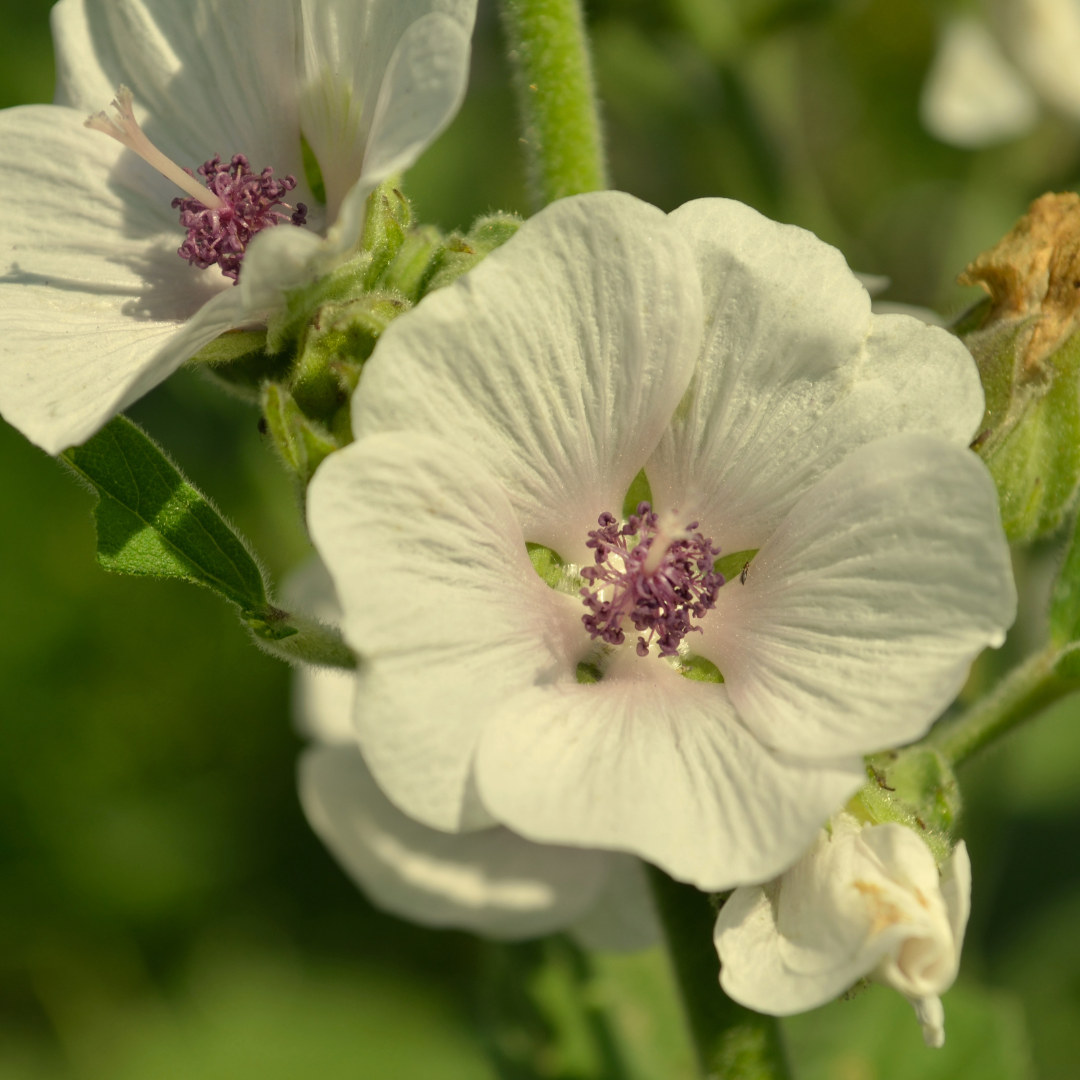
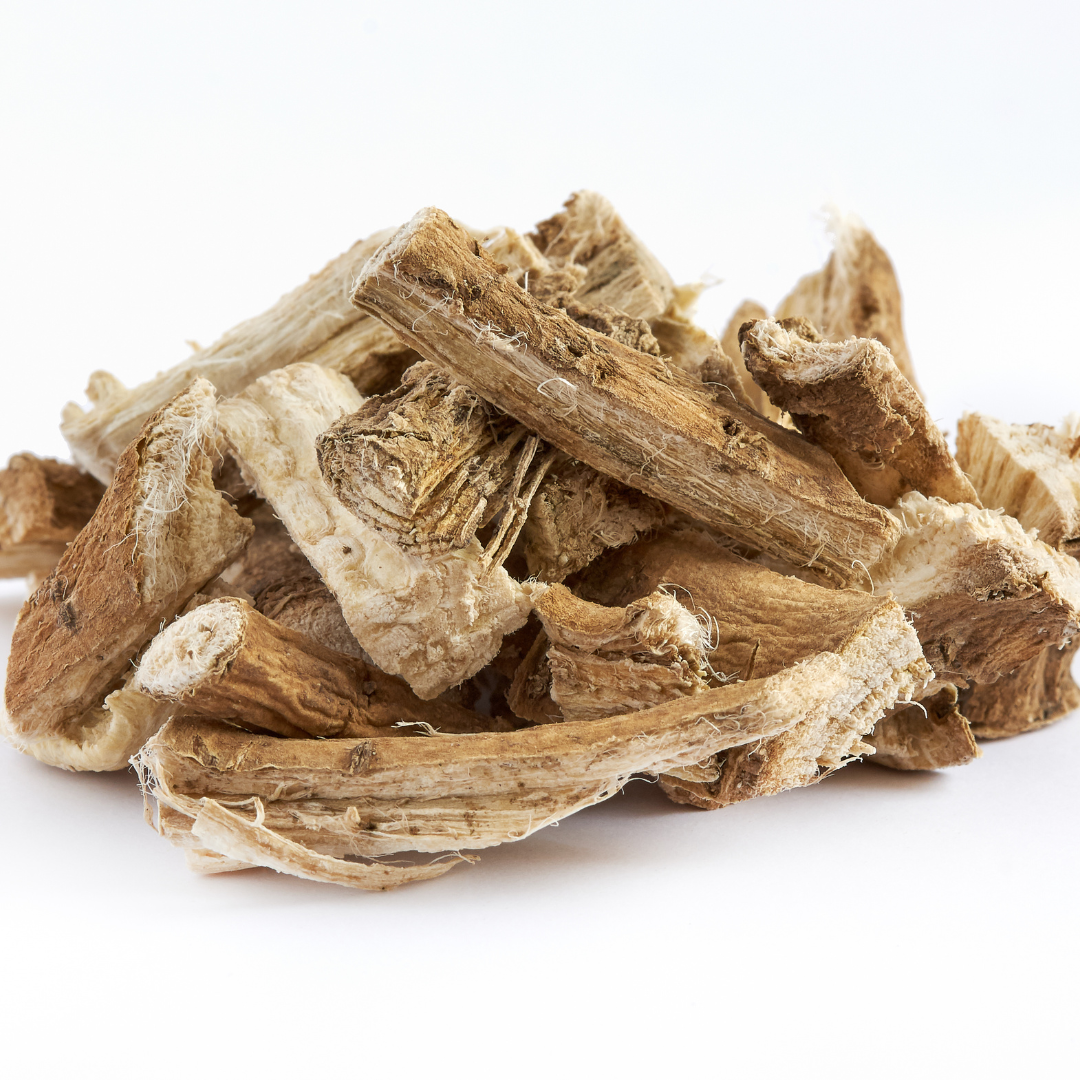
Althaea officinalis, commonly known as marshmallow, is a perennial herbaceous plant belonging to the Malvaceae family. Native to Europe and western Asia, marshmallow is now cultivated worldwide for its medicinal and culinary uses. It has a stout, upright stem with broad, ovate leaves that are velvety and softly hairy. Marshmallow produces pale pink or white flowers with five petals in axillary clusters. The root of the marshmallow plant is thick, long, and tapering, with a whitish exterior and a fibrous, mucilaginous interior.
Traditional Uses:
Marshmallow has a long history of use in traditional herbal medicine, dating back to ancient Egypt, Greece, and Rome.
It is primarily known for its demulcent and soothing properties, making it a valuable remedy for inflammatory conditions of the respiratory, digestive, and urinary systems.
Marshmallow preparations are used to relieve sore throat, cough, bronchitis, and other respiratory ailments by coating and soothing irritated mucous membranes.
It is also used to alleviate gastrointestinal issues such as gastritis, ulcers, and irritable bowel syndrome by protecting the digestive tract and reducing inflammation.
Additionally, marshmallow is used externally to soothe skin irritations, burns, and wounds.
Researched Uses:
Research on marshmallow has confirmed its traditional uses and therapeutic properties.
Marshmallow contains mucilage, a complex mixture of polysaccharides that forms a soothing gel when mixed with water. This mucilaginous substance coats and protects irritated tissues, reducing inflammation and promoting healing.
Studies suggest that marshmallow may help relieve symptoms of sore throat, cough, and bronchitis by forming a protective layer over the throat and respiratory tract.
Marshmallow has also demonstrated potential in treating gastrointestinal disorders such as gastritis and peptic ulcers by soothing and healing the lining of the stomach and intestines.
Internal Uses:
Marshmallow preparations are typically consumed internally as teas, infusions, decoctions, or tinctures.
Marshmallow tea is made by steeping dried marshmallow root or leaves in hot water for 10–15 minutes, then strained and consumed.
It is commonly used to relieve sore throat, cough, bronchitis, gastritis, and other inflammatory conditions of the respiratory and digestive systems.
External Uses:
Marshmallow can also be used externally in the form of poultices, compresses, or ointments.
Marshmallow poultices are made by mixing powdered marshmallow root with water to form a thick paste, which is then applied topically to soothe skin irritations, burns, and wounds.
Uses for Livestock:
Marshmallow can be used for treating respiratory and digestive issues in livestock.
Marshmallow preparations may be administered orally or used topically to alleviate symptoms of respiratory infections, gastrointestinal inflammation, and skin irritations in animals.
It can be made into a tea or tisane and used as a drench to support scours (diarrhoea), coughs and pneumonia.
Topically, powdered marshmallow can be combined with yarrow and calendua and mixed with aloe gel to soothe and heal wounds. Add chamomile blue essential oil at 2% ratio to aid healing.
Uses for People:
For people, marshmallow is primarily used as a soothing remedy for respiratory, digestive, and skin conditions.
Marshmallow preparations are consumed internally to relieve sore throat, cough, bronchitis, gastritis, and other inflammatory conditions.
It is also used externally to soothe skin irritations, burns, wounds, and insect bites.
Conclusion:
Althaea officinalis, or marshmallow, is a valuable herb with a long history of traditional use and researched benefits. Its demulcent, soothing, and healing properties make it a valuable natural remedy for promoting health and well-being. Whether consumed internally as teas or used externally in herbal preparations, marshmallow offers a gentle and effective approach to supporting health for both people and animals

Kate Scott, aka The Drover's Daughter, has over 25 years experience in farming and is a qualified Medical Herbalist with a special interest in native British plants for ruminant health. Kate comes from a long line of sheep farmers and drovers and is passionate about teaching farmers how to boost health and immunity through the power of herbs and medicinal plants. With her husband she runs a farm consultancy service and also sells bath and beauty products online using botanicals and milk from her own flock.
Follow Kate on Facebook.
Further Information:
Visit the WHAg Learning Hub for a range of webinars on herbs and medicinal plants by Kate and other farm health experts.