Materia Medica: Garlic (Allium sativum)
- Whole Health Agriculture Learning Centre
- Materia Medica - Plants & Herbs, Livestock & Poultry
Latin Name: Allium sativum
Chemical Constituents:
Allicin
Sulfur compounds (including diallyl sulfide, diallyl disulfide, and diallyl trisulfide)
Flavonoids (quercetin, kaempferol)
Vitamins (particularly vitamin C, vitamin B6)
Minerals (including manganese, selenium)
Amino acids
Enzymes (alliinase)
Botanical Description:
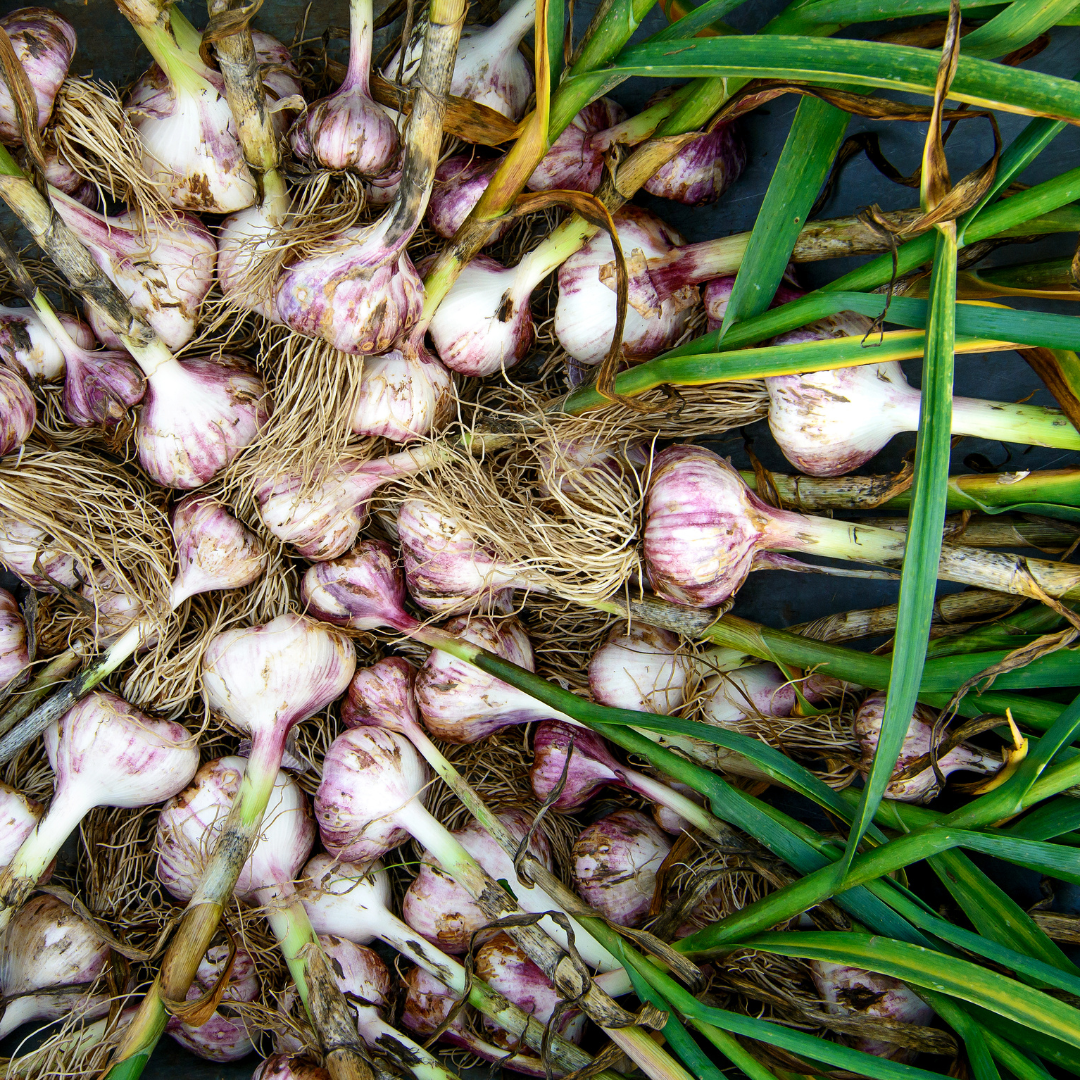
Allium sativum, commonly known as garlic, is a bulbous perennial plant belonging to the Amaryllidaceae family. It is native to Central Asia but is now cultivated worldwide for its culinary and medicinal properties. Garlic grows up to 60–90 cm in height and produces clusters of small, white, star-shaped flowers on long, slender stalks. The bulbs consist of several cloves enclosed in papery skin layers. The leaves are long, narrow, and grass-like, emerging from the base of the plant.
Traditional Uses:
Garlic has been used for millennia in traditional medicine, culinary practices, and religious rituals.
It is revered for its potent antimicrobial, antifungal, antiviral, and immune-boosting properties.
Garlic is commonly used to prevent and alleviate respiratory infections, such as colds, flu, and bronchitis.
It is also used to support cardiovascular health, lower blood pressure, reduce cholesterol levels, and prevent atherosclerosis.
Additionally, garlic is used to support digestive health, boost immune function, and promote overall well-being.
Researched Uses:
Research on garlic has confirmed its numerous health benefits and therapeutic properties.
Allicin, a sulfur compound found in garlic, exhibits broad-spectrum antimicrobial activity against bacteria, fungi, and viruses.
Garlic supplementation has been shown to reduce the severity and duration of colds and flu and may help prevent respiratory infections.
Studies suggest that garlic consumption may reduce blood pressure, lower LDL cholesterol levels, and improve cardiovascular health.
Garlic extracts have demonstrated anticancer properties and may help inhibit the growth and spread of cancer cells.
Internal Uses:
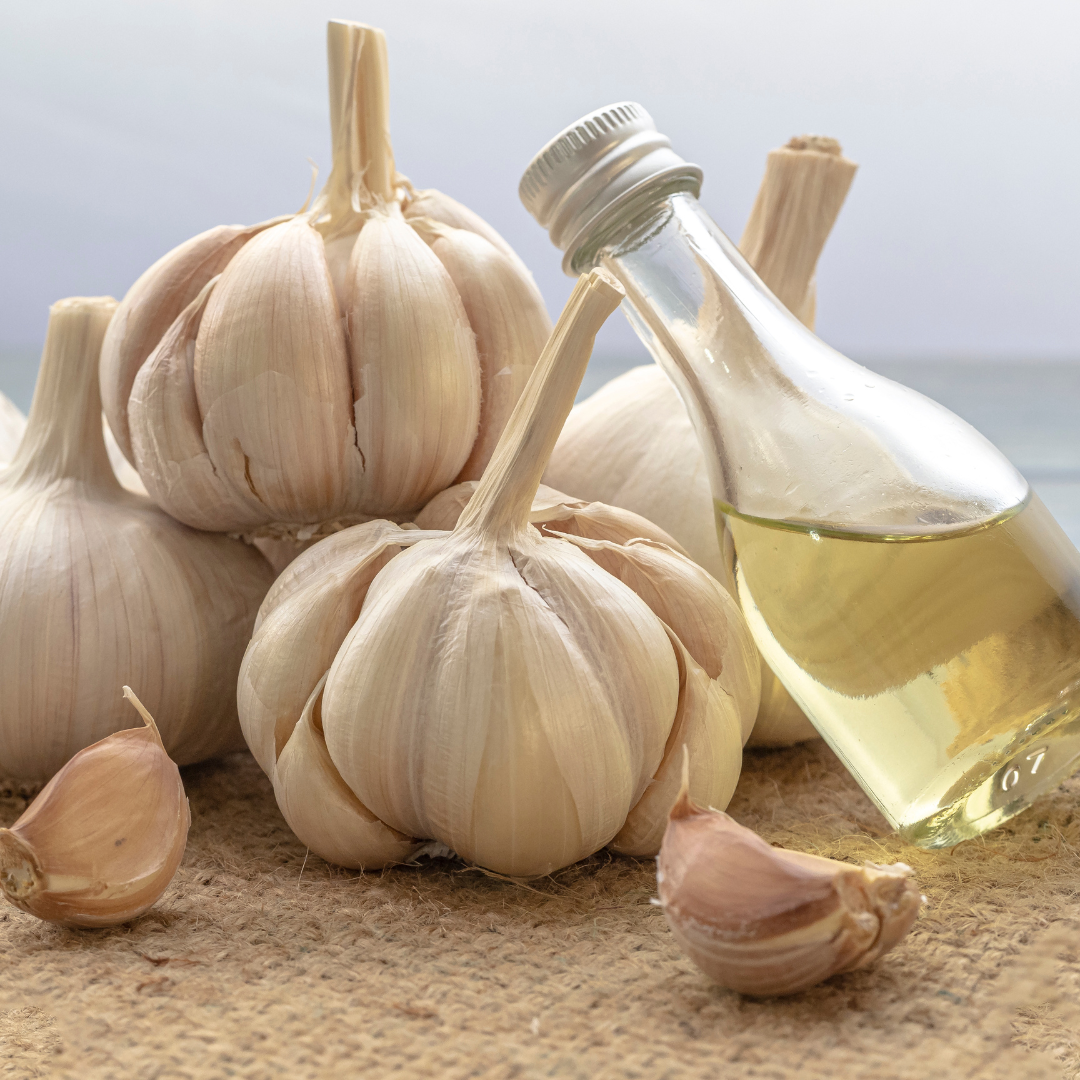
Garlic can be consumed internally in various forms, including raw, cooked, or as a supplement.
Raw garlic cloves can be chopped or crushed and added to food, salads, or dressings for culinary purposes.
Garlic supplements, such as capsules or tablets, are available for those who prefer standardized dosages or want to avoid garlic breath.
External Uses:
While garlic is primarily used internally, there are limited external applications.
Some herbalists recommend applying crushed garlic cloves or garlic-infused oil topically to treat fungal infections, warts, and insect bites.
Uses for Livestock:
Garlic can be added to animal feed or offered as a supplement to support immune function and prevent parasitic infections in livestock.
Garlic supplementation may help repel flies, external parasites and ticks and to improve overall health in farm animals.
A Canadian research project showed that cattle that received mineral salt fortified with garlic powder had 52 % & 56 % fewer flies on average than the two control groups that received salt alone.
NB - Be aware that the taste and smell of cheese and milk may be affected by high rations of garlic fed to dairy animals.
Uses for People:
For people, garlic is widely used as a culinary herb and natural remedy for various health conditions.
Garlic consumption is recommended to support immune function, prevent respiratory infections, and promote cardiovascular health.
It is also used to boost digestion, detoxify the body, and enhance overall vitality and well-being.
Conclusion:
Allium sativum, or garlic, is a versatile herb with a rich history of traditional use and extensive research support. Its potent antimicrobial, cardiovascular, and immune-boosting properties make it a valuable addition to both culinary and medicinal practices. Whether consumed internally or used externally, garlic offers a natural approach to promoting health and wellness for both people and animals.