Materia Medica: Comfrey (Symphytum Officinale)
- Kate Scott, Medical Herbalist
- Materia Medica - Plants & Herbs
Chemical Constituents:
Allantoin, Tannins, Mucilage, Rosmarinic acid, Pyrrolizidine alkaloids (including symphytine and echimidine), Phenolic compounds
Botanical Description:
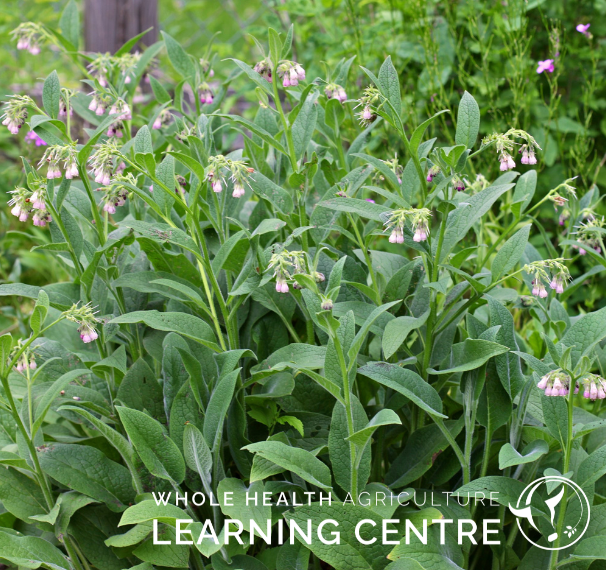
Symphytum officinale, commonly known as comfrey, belongs to the Boraginaceae family. It is native to Europe and Asia but is now found worldwide, particularly in moist, fertile areas. Comfrey is a perennial herb with a robust root system and erect, hairy stems that can grow up to 1.5 meters in height. The leaves are large, lance-shaped, and covered in coarse hairs. Comfrey produces clusters of bell-shaped flowers that can be white, pink, purple, or blue, blooming from late spring to early summer.
Traditional Uses:
Comfrey has a long history of use in traditional herbal medicine, dating back centuries.
It is often used topically to promote wound healing, reduce inflammation, and soothe skin irritations, bruises, and sprains.
Comfrey is also known as 'knit-bone' and poultices or compresses can be applied to fractures, sprains, and joint pain to alleviate discomfort and promote recovery.
Internally, comfrey has been used sparingly as a demulcent for gastrointestinal issues and to support respiratory health.
Researched Uses:
Research has shown that comfrey contains compounds such as allantoin and rosmarinic acid, which contribute to its wound-healing and anti-inflammatory properties.
Topical applications of comfrey extracts or preparations have been studied for their efficacy in promoting wound healing, reducing pain and inflammation, and accelerating bone repair.
Comfrey has shown potential in treating conditions such as osteoarthritis, rheumatoid arthritis, and other musculoskeletal disorders due to its analgesic and anti-inflammatory effects.
Studies suggest that comfrey may have hepatoprotective properties and could help support liver health and function.
Internal Uses:
Comfrey is primarily used externally due to safety concerns regarding its pyrrolizidine alkaloid content, which can be toxic if ingested in large amounts.
However, infusions or decoctions of comfrey leaves have been used sparingly as a demulcent for gastrointestinal issues or as a gargle for sore throat and respiratory ailments.
External Uses:
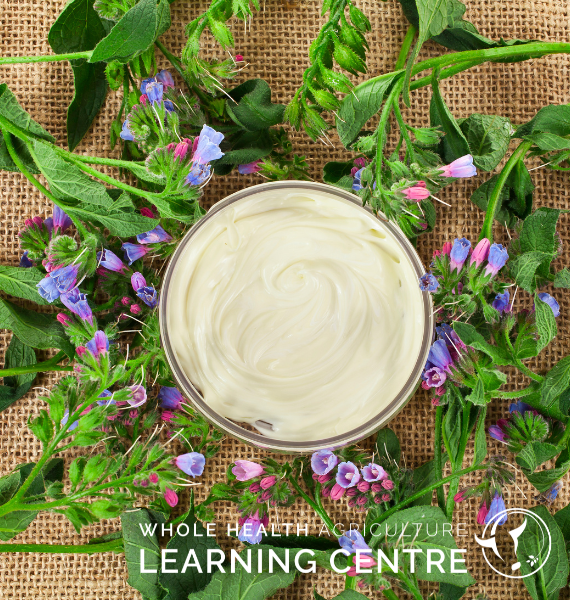
Comfrey poultices, compresses, or salves are applied topically to wounds, cuts, burns, bruises, sprains, strains, and inflammatory skin conditions.
Comfrey preparations may also be used as a topical treatment for arthritis, joint pain, muscle soreness, and fractures to promote healing and reduce pain and inflammation.
Uses for Livestock:
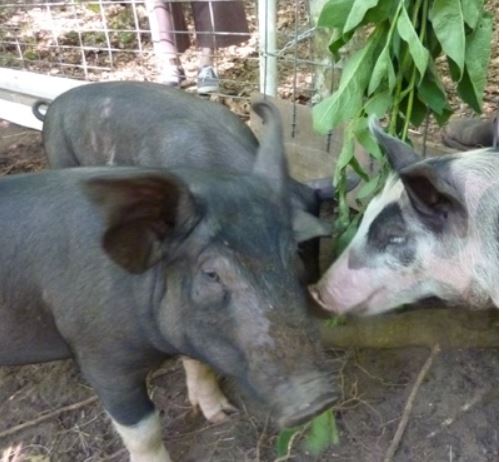
Comfrey leaves can be fed to livestock as a nutrient-rich forage or fodder, providing vitamins, minerals, and protein.
Comfrey poultices or ointments can be applied topically to treat wounds, cuts, and skin irritations in animals.
Uses for People:
For people, comfrey is commonly used as a topical remedy for wounds, bruises, sprains, and inflammatory skin conditions.
Comfrey preparations are applied externally to promote wound healing, reduce pain and inflammation, and support musculoskeletal health.
It is also used in herbal salves, ointments, and creams for its moisturizing and soothing properties.
Conclusion:
Symphytum officinale, or comfrey, is a valuable herb with a long history of traditional use and researched benefits. Its wound-healing, anti-inflammatory, and analgesic properties make it a versatile remedy for various injuries, musculoskeletal disorders, and inflammatory conditions. While primarily used externally, comfrey offers a natural solution for promoting health and wellness for both people and animals when used responsibly and with caution regarding its pyrrolizidine alkaloid content.
About the Author:
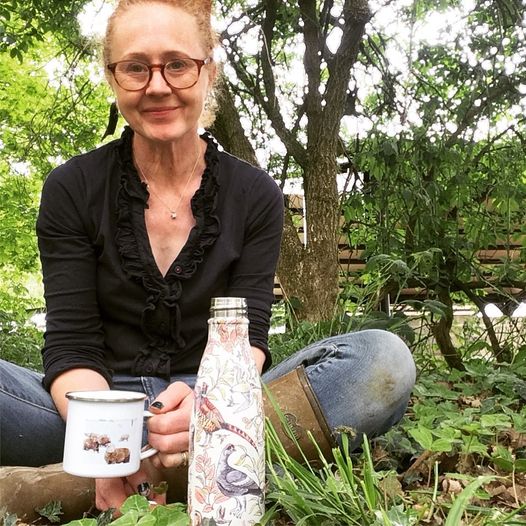
Kate Scott, aka The Drover's Daughter, has over 25 years experience in farming and is a qualified Medical Herbalist with a special interest in native British plants for ruminant health. Kate comes from a long line of sheep farmers and drovers and is passionate about teaching farmers how to boost health and immunity through the power of herbs and medicinal plants. With her husband she runs a farm consultancy service and also sells bath and beauty products online using botanicals and milk from her own flock.
Follow Kate on Facebook.