Homeopathy for Winter Weather - Farmer Tips
- Whole Health Agriculture Learning Centre
- Materia Medica - Homeopathy, Livestock & Poultry
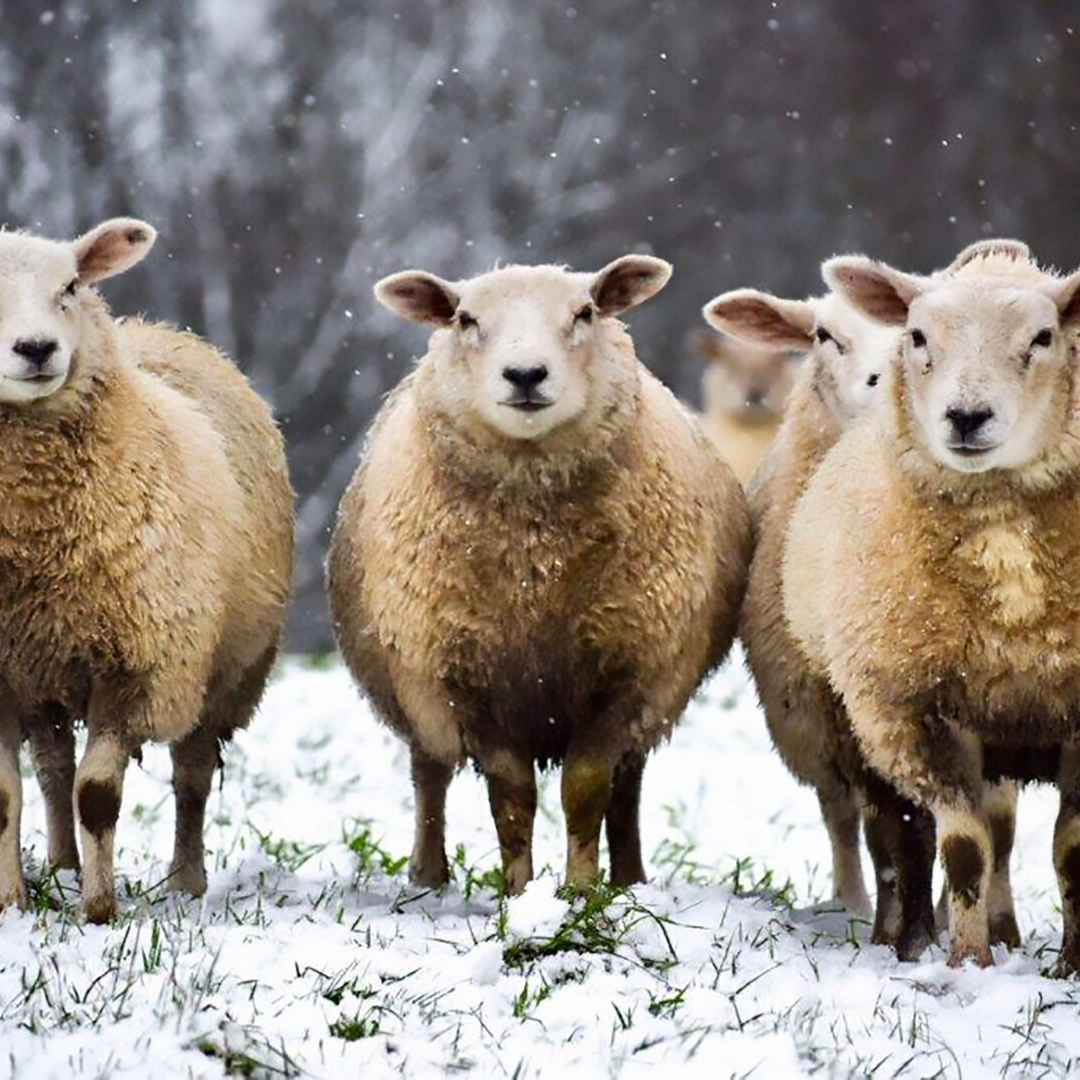
Changes in weather and extremes of temperature are all stress factors for livestock which in turn can lead to dis-ease. Understanding how the weather and temperatures can help the farmer and pet owner differentiate between remedies. Notice what was happening with the weather or the temperature the animal was better or worse for at the time of falling ill, or as part of the symptoms of being unwell. Use a Repertory, like our Farm Repertory to find remedies which most closely match the symptoms you are trying to cure. Where you know that certain weather conditions are coming in ie high winds or snow, you can use the remedies prophylactically in the troughs, to stay ahead of the game and hopefully prevent any ailments from showing.
We asked some of our farmers for their top tips to keep your animals healthy this winter.
Jane Dobson - Sheep and Beef:
I always look at the weather forecast days ahead. This helps me plan cattle and sheep management. When its not icy/snowy then cattle come onto the yard when they please - especially the vulnerable (young, old and pregnant). During icy and snowy spells they are kept inside the barn.
We also give them hay bales to ensure they are topped up with hay in case we can't get the tractor out/or get hay to them during REALLY bad weather. I stopped using hay racks outside years ago, because high winds blew them over and injured sheep. Hay now goes onto the floor. I always give stock some extra feed if they are out. I always think that if they have a full tummy then they can cope with anything. All feed and hay is sprayed with homeopathic Aconite.
Ensure beds are dry and clean. There's nothing worse for animal health than lying in really cold, damp bedding.
Bring them to lower ground so the stock person can easily feed/water/check stock.
Human care: SLOW down, don't take any chances, plenty of hot drinks, Make sure you eat, get rest and plan ahead - and keep the yard well salted!
Lynnie Hutchison - Sheep and Beef:
I go for acconite when we've these cold dry days. It goes in the water trough or on feed, hay racks etc. I keep hay racks full, water troughs with ice broken, pipes covered where not dug in. Definitely look out for yourself with a good breakfast, lots of layers of clothing. Don't take risks on ice in the yard or in the dark get a good head torch, find five minutes for a hot cuppa!
Christine Gosling - Dairy:
Our old system used to allow for the cold water to be warmed by the hot water used to wash the parlour and then be directed to a water trough in the feed passage. There would be a queue for that trough after milking!
We asked Christine for any cold weather tips she had that others may not have thought of - we'd not quite thought of hot drinks for the cows! Christine went on ...
We have put big bales in the calf unit with planks across topped with straw so the calves can snuggle underneath. Babies also have calf coats.
Pammy Riggs - Dairy:
Aconite and Rhus Tox into indoor and outdoor troughs ahead of the cold, especially for the 'creaky girls'.
Key Remedies
This is a quick ready reckoner to help you with symptoms that are aggravated by (worse for) or which came on immediately after.
Wet and cold: Rhus T, Ars, Calc C, Amm C, Dulc
Cold Wind/Draughts: Acon, Hepar S, Caust
Cold and Dry: Caust, Nux V, Hepar S
Cold and Wet: Amm C, Ant C, Ant T, Ars, Bac, Calc C, Calc P, Dulc, Merc, Phyto, Puls, Rhus T, Sep, Sil, Tub
Foggy, Damp: Rhus Tox
Frosty: Cal C, Camph, Con, Hepar S, Puls, Sep, Sil
Snow: Calc P, Con, Sep
Stormy, Windy: Amm C, Nux
Moving from Cold to Warm: Bry, Sulph, Tub with
Moving from Warm to Cold: Merc, Dulc
Similarly, symptoms can be ameliorated (better for) certain temperature conditions.
Outdoors: All C, Apis, Ant C, Arg N, Carb V, Lyc, Nat M, Puls, Sab, Sep
Cool air: Aloe, Apis, Bry, Lyc, Puls, Sep
Damp cool: Alum, Caust
Dry cool: Calc
Cool wind: Carb V
Further Information:
Visit the WHAg Learning Centre for a range of webinars, courses and downloadable documents from our farm health experts.
You can also sign up as a free member to access more information or join as a Pro-Member for discounts and EVEN MORE information!